Horizons Radio News

Horizons Radio News

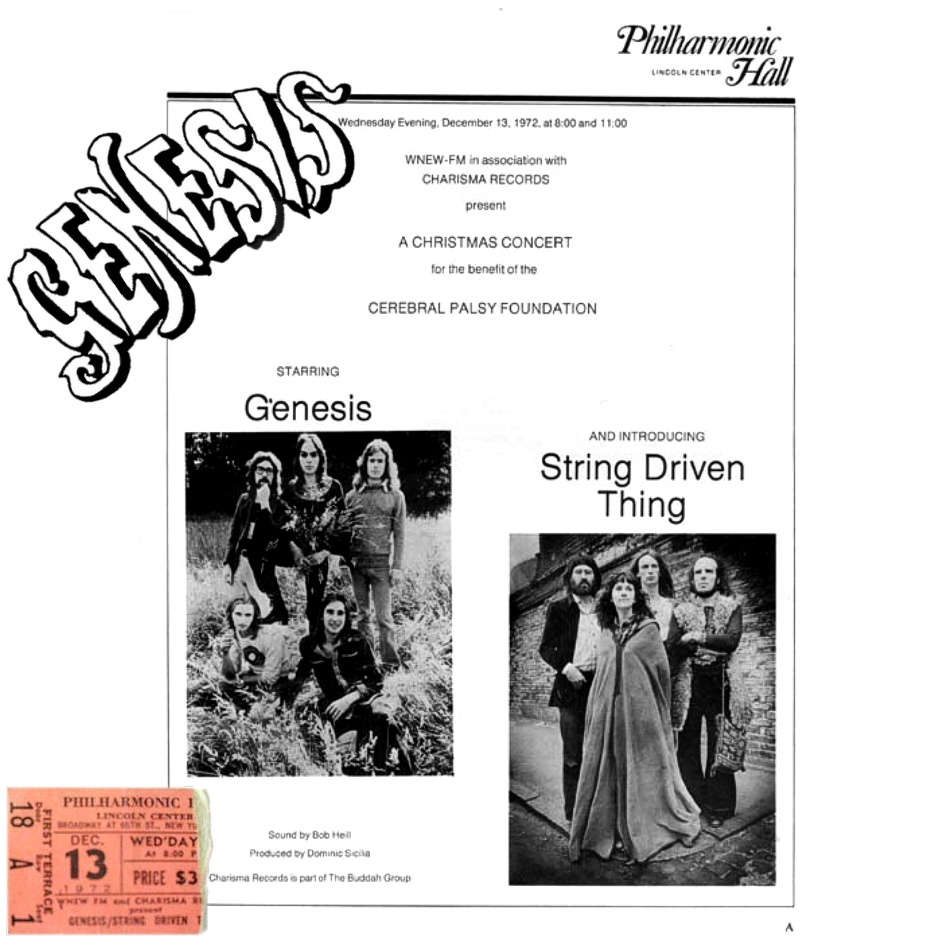
Il 13 dicembre 1972, i Genesis sbarcano per la prima volta negli USA, con un concerto natalizio alla Philharmonic Hall di New York. Ecco il racconto di quei giorni.
[gtranslate]
By D.B.
Il Foxtrot Tour parte il 9 settembre 1972 e tocca il Regno Unito, l’Europa e il Nord America.
Dopo aver toccato la Francia, l’Inghilterra, la Scozia, l’Eire e il Galles, i Genesis sbarcano per la prima volta negli Stati Uniti, per un concerto natalizio, pieno di problemi, alla Philharmonic Hall di New York il 13 dicembre 1972, preceduto da un live per pochi studenti alla Brandeis University di Boston due giorni prima. Phil Collins, nella sua autobiografia “No, non sono ancora morto”, Mondadori, racconta così quei giorni:
“Appena arrivati scopriamo che il nostro manager americano, (…) ci ha organizzato un concerto alla Brandeis University vicino a Boston, nel Massachusetts. All’ora di pranzo. Così la nostra prima esibizione in terra americana è una delusione atroce e sbrigativa. Agli studenti del New England il rock inglese, o quanto meno il nostro, importa ancora meno di quello che credevamo, e sembrano più interessati ai loro studi o ai loro panini. Questo non depone a favore delle buone sorti dei Genesis negli Stati Uniti d’America.
(…) Avvicinandoci per la prima volta a New York, siamo sopraffatti dall’enormità della metropoli che si abbatte su un gruppo già abbacchiato per l’insuccesso di Boston. Ma entrando al tramonto dal George Washington Bridge, lo skyline di Manhattan si accende a poco a poco, illuminato da milioni di luci. New York! L’abbiamo vista nei film, e ora siamo qui. (…)
E poi andiamo alla Philharmonic Hall per fare le prove e scoprire un grossissimo problema: il sistema elettrico diverso in America implica che gli strumenti elettromeccanici vadano a 60 hertz e non a 50 come in Inghilterra. Questo significa che il Mellotron (un nuovo giocattolino che ci siamo comprati dai King Crimson) e l’organo Hammond sono fuori tonalità rispetto alle chitarre.”
Scrive Mario Giammetti in Genesis. Il fiume del costante cambiamento, Editori Riuniti:
“Purtroppo si incontrano parecchi problemi: il direttore della Philharmonic Orchestra, Leonard Bernstein, sta provando con tutti gli elementi e tiene occupata la sala più a lungo del previsto, impedendo ai Genesis di fare un soundcheck decente. Inoltre gli inconvenienti tecnici, comprese le differenze di voltaggio tra Europa e Stati Uniti, non danno tregua neanche stavolta al punto che persino il tranquillo Mike arriva a scaraventare il basso per terra al rientro nei camerini. Poco prima del concerto infatti si rompe un amplificatore, sostituito con un altro noleggiato in fretta e furia che però emetterà un fastidioso ronzio per tutto il concerto, rovinando i passaggi più delicati.”
Ascolta i Genesis live alla Philharmonic Hall di New York:
Ancora Phil Collins:
“Troviamo una soluzione improvvisata e, quella sera, facciamo il concerto alla meno peggio. Sembra che il pubblico non noti niente di strano, ma nonostante noi cinque siamo sincronizzati in modo telepatico, per i Genesis il concerto è un macello. Scendiamo dal palco, prendiamo l’ascensore fino ai camerini e l’aria è verde di rabbia. Persino anni dopo, solo nominare quel primo concerto a New York ci mette tutti in agitazione e fa tornare alla mente ricordi orribili.”
Racconta Mike Rutherford nella sua autobiografia The Living Years, Arcana:
“Il basso Rickenbacker che suonavo emetteva un orrendo ronzio: non sentii una nota per tutta la serata. Anche gli altri non sentivano nulla e la sensazione era che stessimo buttando via un’occasione. (…) Subito dopo lo show scagliai a terra il mio basso in un attacco d’ira, imprecando e maledicendo.”
Una prima tappa negli Stati Uniti non particolarmente riuscita, quindi, forse per i tempi non maturi e la notorietà della band ancora scarsa oltreoceano, nonostante la costosa campagna promozionale organizzata dalla filiale USA della Charisma, la Buddah Records. Sicuramente hanno avuto grande importanza i problemi tecnici. Ma, come ricorda ancora Giammetti:
“(…) l’accoglienza sia di pubblico sia di critica sarà invece assai favorevole (anche per il gruppo di supporto String Driven Thing), pur considerando la mossa americana forse prematura in quanto i Genesis sono ancora relativamente conosciuti in Inghilterra e, Italia a parte, hanno fatto sporadiche apparizioni solo in Francia e Belgio. «I nostri tecnici sono potuti entrare nella Hall solo dopo le quattro, abbiamo avuto dei guai con l’amplificazione del basso di Mike e a un certo punto la mia voce ha iniziato a cedere. Sono tornato a casa con l’influenza e il concerto è stato uno dei più balordi che abbiamo mai fatto. Al termine ero molto depresso ma ora pensandoci bene sono contento perché se siamo piaciuti in quelle condizioni chissà cosa succederà quando saremo in forma la prossima volta.» (Peter Gabriel, Ciao 2001 14/7/73, «Recentissime da Londra», Armando Gallo).”
Peter ha ragione. Perché quella nordamericana è un’esperienza che viene ripetuta dal 3 marzo, con alcune date in USA e Canada, stavolta con maggior successo. Ascolta il primo concerto:
https://www.youtube.com/watch?v=nSpnlcoIKbk&t=2s
L’album Genesis Live è stato registrato nel febbraio 1973 durante la parte inglese del tour.
Iniziato il 9 settembre 1972, appunto, il tour finisce il 26 agosto 1973 al Festival di Reading, UK. ASCOLTA L’ESIBIZIONE DEI GENESIS:
Setlist del tour:
Altri brani eseguiti durante tour:
by D.B.
RIPRODUZIONE RISERVATA © Copyright Horizons Radio info@horizonsradio.it

Il 20 novembre 1974 parte – finalmente – dagli Stati Uniti, all’Auditorium Theatre di Chicago, il The Lamb Lies Down On Broadway Tour. Ecco perché era stato rimandato.
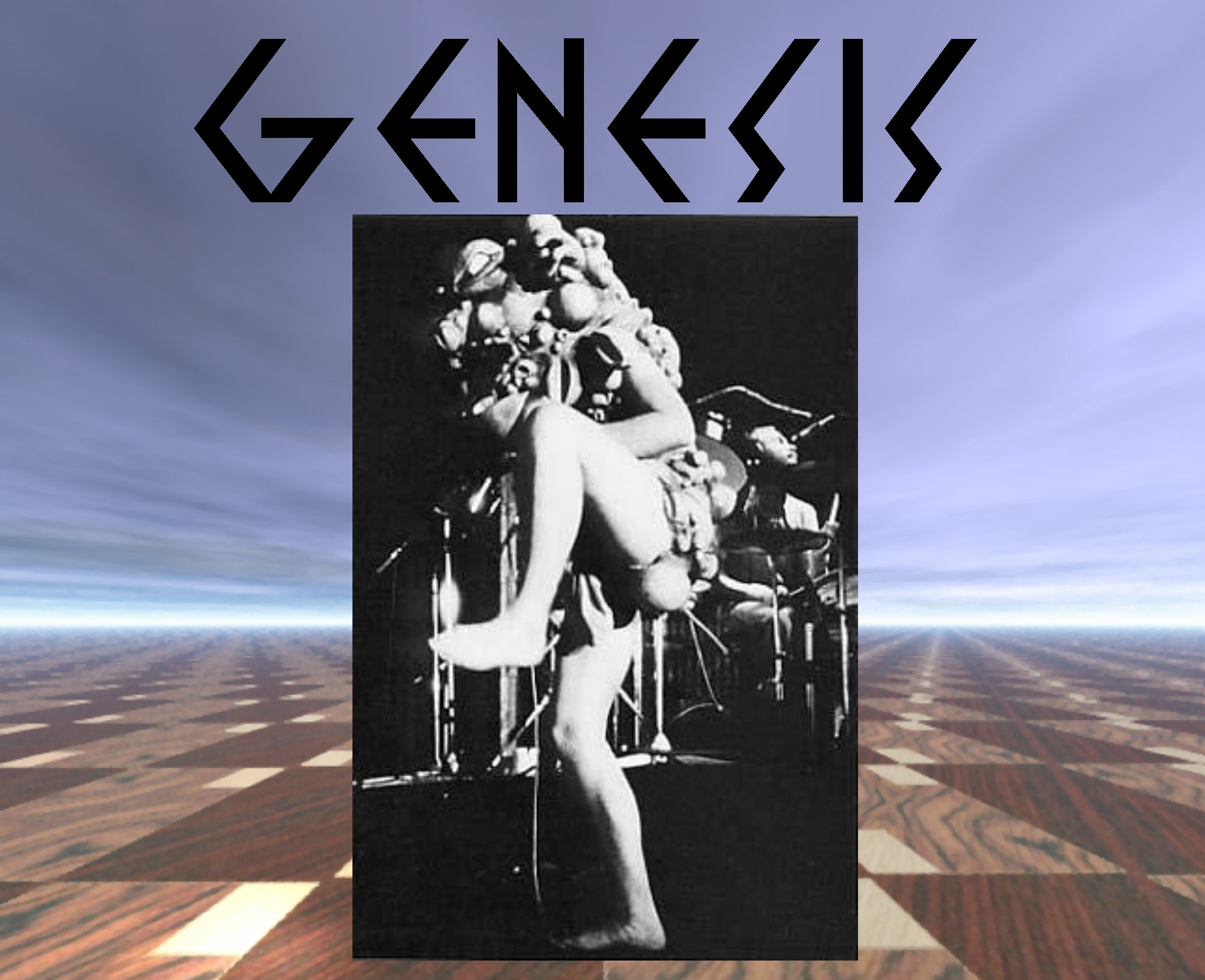
Il tour doveva partire il 29 ottobre 1974, con un’anteprima per il fan club locale alla City Hall di Newcastle in UK, ma viene posticipato e sette date cancellate. Saltano i due show di Newcastle (l’anteprima e la sera successiva), Manchester, Wembley a Londra, Edimburgo, Bristol e le due date di Birmingham l’11 e 12 novembre. Per quale motivo?
Il ruolo compositivo di Steve Hackett nei Genesis, rispetto al precedente Selling England by the Pound viene ridimensionato durante la composizione e la registrazione di The Lamb Lies Down on Broadway.
Da una parte c’è la scarsa sintonia con il materiale che ogni elemento della band propone, dall’altra un momento privato poco felice, con la crisi matrimoniale in corso.
Fattori che rendono il chitarrista nervoso. E un episodio è significativo di questo stato d’animo.
Hackett, durante una cena, si ferisce la mano sinistra con i cocci di un bicchiere di vino. Un nervo e un tendine risultano recisi. Uno sfortunato incidente?
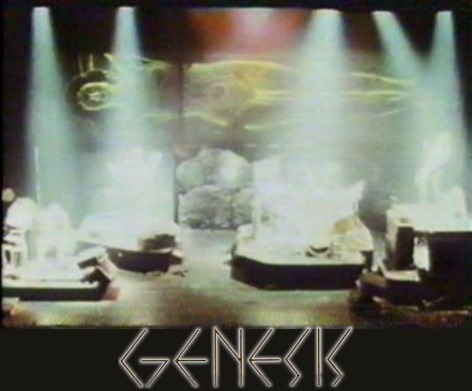
Lo stesso Steve ha raccontato in varie interviste che, a una festa, qualcuno ha fatto riferimento alla Sensational Alex Harvey Band, che stava suonando, ritenendo che non sarebbe stata la stessa senza Alex. Subito il suo pensiero è andato ai Genesis e alla possibilità che senza Peter Gabriel potessero essere finiti. E così l’adrenalina, causata dallo stress del momento ha fatto il resto. La mano ha stretto con troppa forza il bicchiere, che si è rotto.
Un episodio che la dice lunga anche sulla tensione all’interno dei Genesis in questo periodo, con Peter Gabriel che, alla fine del tour lascerà il gruppo.
La mano di Steve è quindi fuori uso. Inizia una terapia. Steve ci scherza su, dicendo che l’incidente gli ha fatto assumere una posizione più classica. Ma è addirittura dovuto ricorrere all’elettro-shock per poter tornare a suonare. Una lezione che gli ha dato, racconta lui, la determinazione che ha ancora oggi.
Pochi giorni dopo la partenza del 20, però, il 25 novembre all’Hotel Swingos di Cleveland, poco prima del live della sera, Peter comunica ai compagni la sua decisione di lasciare il gruppo. ASCOLTA QUEL CONCERTO STORICO:
https://youtu.be/PKjdFFxYogI
Decisione che verrà resa pubblica il 16 agosto 1975, quando Gabriel consegna alla stampa una dichiarazione, e formalizzata il 26 agosto, quando i Genesis fanno uscire una dichiarazione ufficiale, per integrare quella di Peter. In questa scrivono che la band è in cerca di un nuovo cantante, che sta componendo un nuovo album e a breve inizierà a inciderlo. Il disco uscirà a Natale e il tour partirà all’inizio dell’anno nuovo.
Ma anche la permanenza di Steve Hackett nei Genesis ha ormai i mesi contati.
Horizons Radio News

18 novembre 1974 – 18 novembre 2019. 45 anni di The Lamb Lies Down On Broadway. Ricordiamolo attraverso i video.
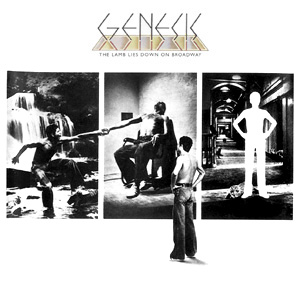
Ecco un ottimo documento, un video di The Lamb Lies Down on Broadway Live:
Peter Gabriel, nei primi concerti (clicca qui per approfondire) dopo l’uscita dai Genesis (clicca qui per approfondire) ha eseguito il brano The Lamb Lies Down On Broadway. Eccolo “live on Rockpalast TV show. Recorded at Grugahalle, Essen, Germany on 15 September 1978″:
Anche i Genesis hanno continuato a eseguire il brano, completandolo con la closing section di The Musical Box:
Un altro brano eseguito dalla band anche dopo l’addio di Peter Gabriel. The Carpet Crawlers:
Fino all’ultimo concerto della storia dei Genesis:
Anche Steve Hackett ha rivisitato più volte questo album. “The Lamb Lies Down On Broadway” Live In Liverpool (OFFICIAL VIDEO). Taken from the live release “The Total Experience Live In Liverpool“:
STEVE HACKETT feat. Ray Wilson – Carpet Crawlers (OFFICIAL LIVE VIDEO). Taken from the album “Genesis Revisited: Live At The Royal Albert Hall”:
STEVE HACKETT – The Lamia (OFFICIAL VIDEO). Taken from the album “Genesis Revisited: Live At Hammersmith”:
Altro documento: la nascita di un capolavoro nel lavoro di composizione e improvvisazione.
Horizons Radio News

12 novembre 1971, esce Nursery Cryme. Un ricordo multimediale di quei giorni di grande creatività della band.
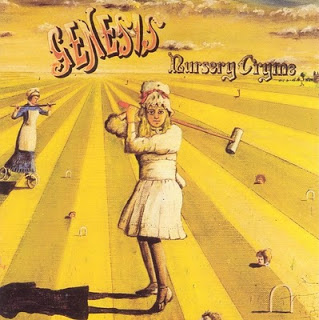
Ecco le parole dei Genesis nel 2007, in occasione dell’uscita del 2008 in versione Digital Remaster e Stereo Mix:
Phil Collins nella sua autobiografia, No, non sono ancora morto, ricorda quei giorni in cui i Genesis compongono l’album. Libertà creativa, afflusso abbondante di idee, lunghezza delle canzoni, libertà di manovra nelle sedute compositive. Sono gli elementi del primo disco della nuova formazione, dal punto di vista di Phil.
Steve Hackett, in Genesis. Il fiume del costante cambiamento di , racconta come sia stato lui a spingere la band ad acquistare il mellotron, strumento fondamentale in The Fountain Of Salmacis e nel sound successivo dei Genesis. Disse ai suoi compagni che, se volevano fare un salto di qualità, dovevano assolutamente avere un mellotron, ottenendo così una dimensione orchestrale.
Ecco come viene ricordato nel video tratto dal DVD Inside Genesis:
Mike Rutherford, nel suo libro The living years, racconta che Nursery Cryme non fu un disco facile da scrivere, forse anche a causa delle nuove dinamiche del gruppo, senza Anthony Phillips e con Steve Hackett e Phil Collins.
I due nuovi arrivati sono protagonisti di For Absent Friends, invece The Musical Box e The Return Of The Giant Hogweed erano già state composte e, soprattutto la prima, con una forte impronta di Ant. Con Harold The Barrell Peter inaugurava una serie di storie dallo spiccato humor inglese. Harlequin e Seven Stones sono frutto della creatività personale di Mike e Tony (ma sempre con lo “zampino” di Phillips).
In Italia l’album si è piazzato al quarto posto. Il nostro paese, dopo il Belgio, era quello che dava più soddisfazioni ai Genesis, in quei primi anni. Anche la critica li promuove da noi.
Il tour successivo all’uscita vede i Genesis per ben due volte in Italia. Leggi e ascolta gli speciali di Horizons Radio:
Un capolavoro, ricercatissimo dai collezionisti. Guarda Angolo del Collezionista: Nursery Cryme e tutte le uscite nazionali.
E che ha avuto tante versioni Covers & Tribute. Eccone alcune:
Horizons Radio News

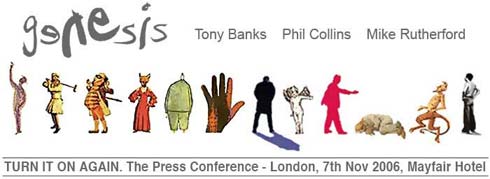
Tony Banks, Phil Collins e Mike Rutherford si sono concessi alle domande e alle foto dei giornalisti.
Presenti anche i rappresentanti dei tre più grandi fanclub: Mario Giammetti di DUSK (Italia), Alan Hewitt e Stuart Barnes di THE WAITING ROOM (Inghilterra) e Christian Gerhardts di IT (Germania).
Ecco la trascrizione integrale della conferenza stampa, tratta dal sito web genesis-news.com (per la versione italiana CLICCA QUI):
David Baddiell: Thank you very much, ladies and gentlemen – good afternoon everybody and also good afternoon if you’re one of the thousands – who knows – millions – logging in on the live-webcast on genesis-news.com. Perhaps I could begin by explaining why I am here.
Let me take you back to 1977. A rough time in London, the time of skinheads and punk rock, a year in which I myself was beaten up twice on the streets of London – once for being Jewish, once for being a Pakistani – true story – I tried to explain to the bloke who was beating me up for being Pakistani that I was Jewish but it made very little difference. Anyway, like many 14 year olds I was trying very hard to prove I was cool and not somebody should be beaten up by being into punk rock, so I dyed my hair, I ripped off all my t-shirts and then my mate Richard Gerald played me Blood On The Rooftops from Wind And Wuthering and I just thought – this is one of the most beautiful songs I’ve ever heard. And I went out to buy that album, and Trick Of The Tail, then all the earlier albums and comitragically for me I became a huge fan of Genesis just at the point in time when they were probably least fashionable – I mean you try and get it off with girls in 1977 by playing them Supper’s Ready from Foxtrot – I mean they were out the door before “a flower”. So it’s been written in blood for me – liking this band – I’ve actually seen the Genesis tribute band The Musical Box twice, twice – and cried while watching them, they’re that bad – so, the truth is: I am still a fan, they are still unfashionable – but who cares. They are a group who over 30 years created some of the most amazing songs in the history of popular music, so let’s just remind ourselves of how good Genesis are.
>> Genesis video presentation <<
Okay, and now to tell us exactly where Genesis will be playing on the Turn It On Again tour, please welcome the European tour promoter John Giddings.
John Giddings: Hello – I grew up on the music of Genesis, I was one of millions who bought their albums the day they were released, took them home up to my bedroom and learned every word to every song. Along with Pink Floyd, they created a depth and emotion to music way beyond the three minute single. I saw them at the Culham College, at Hemel Hampstead, I think the support band was Medicine Head, I promoted them at University on the Foxtrot tour, I saw them at Wembley stadium five or six nights, then at Knebworth – and now, 15 years later, I’m really pleased and proud to announce they‘re going to start a European tour in Helsinki on the 11th of June, they are then going on to Denmark, Germany, Switzerland, Austria, Hungary, Poland, they are going to play the first ever show in Monaco in the stadium there and they’re going to finish the tour in front of the Colosseum in Rome to 300.000 people – a free show. They’re going to play Twickenham in England and Manchester for the Northern fans. It’s gonna be a fantastic tour – Turn It On Again, thank you very much. Back to you, David.
David Baddiell: Thank you very much, John. Okay, now could you please welcome to the stage – the main act, Mike Rutherford, Tony Banks and Phil Collins – ladies and gentlemen – Genesis!
Q: Hello guys, are you alright?
Mike: Oh dear…
Q: Chaps, why have you waited 15 years for this reunion? What have you been doing?
Phil: Why have we waited fifteen years? … we just sort of felt that now was the kind of right time to have a go, really.
Q: How exactly did it come about? When did you first start talking about it?
Phil: Well I guess I left in ‘94 and I did some things on my own, Genesis carried on and you know, I used to listen to the odd bits and pieces at home, missed cameraderie a bit, you know… Anyway I was on tour on my own when the first boxset came out with the Peter Gabriel stuff and I remember thinking that at some point someone would ask us to do something, and no-one did. That was how it went, and I was just talking about it, then the next boxset came out and I thought someone would ask us and, again, no-one did. Meanwhile, just talking about it and us three we’ve seen each others many many times since I left and we kind of bring it up every time we sat down together to talk about it – and sometimes we talked ourselves out of it and we just decided that this was as good a time as any to sort of actually do something.
Q: It’s one of the interesting things about Genesis, I think, is – I mean the history of rock music is littered with bands who all hate each other but you lot, you don’t, do you. So it seems to be very little rancour. It just seems to be very quiet, very friendly despite the fact that you’ve come and gone over the years.
Mike: Yes – I can’t imagine being on the road with people I don’t like and we had a great time just recording and writing stuff and touring.
Q: We saw some footage of rehearsals – how have the rehearsals been going, do you remember the songs?
Tony: Yes, we remembered the songs …
Phil: He asked the wrong guy here –
Tony: …but we wondered if we could still play them. A few things had to be worked through, get the fingers moving, get the drummer on speed, things like that. But after a few days we kind of …. The songs are so much part of our lives so we obviously still remember everything and we’re doing songs right back from as far as 1973 in the shows, so, after a little bit of memory jogging you find your hands just slip back exactly where they were at that time.
Q: So it’s a big European tour. Are you going to be touring in the US next year?
Phil: Yeah, there are plans to do a selection of shows rather than a tour – which is the way I like to look at it. I stopped touring, so I don’t call it a tour, it’s a selection of shows, which we will do all over Europe and then another selection of shows in North America – and there’s only 20 of these, and there’s only 20 in America., that doesn’t seem like a tour, it seems more like a selection of shows, really. Shall I say it again? A smorgasbord of shows.
Q: Are you rugby lovers, as you’re playing Twickenham, aren’t you? Do you like rugby or do you like football more? ‘Cause you’re playing Old Trafford the next day. What will it be like to play a stadium like that?
Mike: I think it will be quite good – no one is too far away – I mean the old Wembley with guys at the very back you know.
Phil: When I was at school I ran at Twickenham – I lived in Hounslow and went to school just a stonethrow from Twickenham and I lost many a race at Twickenham.
Q: I was told to ask you this, so don’t be offended, but do you have Peter Gabriel’s phone number, did you ask Peter about joining you?
Tony: Well, I have. Well when we first started talking about it the original idea was actually to do The Lamb Lies Down On Broadway with Peter and Steve and we had lots of talks about it and then we finally had a meeting which I thought was gonna be the day where we say “yes let’s do it today” but Peter said – this is a meeting of thinking about talking about things in the future. And we thought at that point, this is gonna be quite a long way away – 2, 3, 4 5 – 10 years – in Peter’s schedule 25 years. So we thought at that time – we were still in the same room, why not doing this tour, the three of us with Chester and Daryl on drums and guitar – and that’s why we’re here.
Q: But do you think that there is a chance in the future of doing something with Peter?
Mike: The idea of doing The Lamb is quite fun and appealing, I mean Peter has an album coming out next year and he may be on tour the same time as us.
Phil: Well sometimes you read that he is into it, sometimes you read he is not. I think he is far more sensitive than we are about what it means, you know. This is just music, us getting together and playing some songs. I think that certainly from my point I have done as much as I can, and this is, I think, great fun to do, whereas Peter, since he left, has very much been doing his thing, albeit lots of things under that umbrella. I think he’s just a little overcautious sometimes about going to back to doing something that, basically, fundamentally, is just fun.
Q. So can you give us any clues about the set list? I would like you to a song called More Fool Me from Selling England By The Pound, which you sung, which I really love and it’s just you and acoustic guitar. Will you be doing that?
Phil: No. But if you would come along, I’m sure Mike will accompany you. We’ve started to run through things. We’ve had two weeks rehearsals already which was actually a layover from the Peter thing because… We were going to do The Lamb, we were talking about doing The Lamb Lies Down and having seen The Musical Box as well, actually, I’d kind of forgotten most of it and got terrified at having to play it. And I think they both felt …
Q. Is it just really hard to play?
Phil: Yes. The person that you were thirty-two years ago played differently than now. We all did, you know. But these two weeks we had in New York was mainly just to get our feet wet with playing that stuff, and that kind of fell out of the window with all that’s been happening round the Peter thing. So we just used the time to play through the songs that we may do.
Q. So there’s going to be a huge range of stuff going back, as you said, Mike, to 1973, right up to the last album you released?
Mike: Definitely. We rehearsed far too much, as usual, but we’ll play with Daryl [Stuermer] and Chester [Thompson] again. We’re doing a fair amount of the longer instrumental stuff, and the double drum stuff I kind of missed, you know. The sound you get when you got two drummers. The racket you get when you got two drummers.
Q. That’s all the questions that I’ve got, but [adressing the press] you’ve probably got some questions. I will take my leave now, but I think Claire is going to come and field questions from the audience.
Q. I’d like to know if the dynamics between you have changed in the intervening years, what it feels like to be back together and are you also trying out new material?
Tony: The funny thing is: When you get back together it’s just like you’d never been apart, really. You just slip back into the same way you used to behave. That’s half the appeal, really, you’re going back it. It’s the same thing with old friends, school friends – you might meet even 20 years later and it’s funny how quickly you slip back into it. So I don’t think the dynamics have changed from that point of view. To answer the second part of your question, there is no plan at this point in time to do anything new.
Phil: We do see each other quite a lot, you know, for various reasons, like when both box sets came out. There were birthday parties, weddings, all kinds of things. We see each other quite a lot, it’s not like we haven’t seen each other. We haven’t played together, well, actually we did play together at my 50th and we played at my wedding. But we actually see each other quite regularly. We played at Peter’s wedding, didn’t we? So it’s not really that special in terms of us getting back together. We just haven’t been working in the same office, as it were.
Q: You are playing eight gigs in Germany, more than any other country. Is there any reason for this? Do you love Germany or …?
Phil: [laughs] We knew we’d be asked this. Germany is a big country, and trying to get from A to C we have to go through B. For a variety of reasons we’re playing places that, historically, have been very good for us as well as some places that we have never played before. Just trying to find a balance, really.
Tony: Germany attracts from the neighbouring countries as well. We’re not doing Denmark, we’re not doing lots of other places. It is that sort of central point that people can come to. And it would be fair to say that, of all countries, probably Germany’s always been the place that wants to see us most. So that’s why we’re paying a little more time there.
Q:Phil, you’ve talked about the hearing loss you’ve suffered in your left ear. What sort of advice to you have medically about going on a tour? Will you be playing drums at some point each night during the tour? Will you be able to protect your hearing on this tour?
Phil: Oh, I don’t go for the protection. [laughter] My hearing is no better and no worse than it was six years ago when it happened. At one point I was advised not to do any more live shows because – why take the risk of buggering the other one up? But it wasn’t music that did it, it was a viral infection which could have happened to anybody and unfortunately happened to me. I went on my last tour because I realized that it wasn’t actually going to suffer, I could perform without it really taking any toll. So I will be playing drums, oh God, yes, I will be playing drums, but as soon as I practised I realized that … Those two weeks in New York I realized maybe I’ve got to practice more. There’ll be lots and lots of drum moments. It doesn’t really get in the way. In a loud environment, like in a loud restaurant I find it very difficult to hear, but normally it’s fine. It’s levelled off, my brain has adjusted – which is good for drumming.
Q: Turn it on again – The tour. Was this a long-term plan of you coming together, going on tour again or did it just happen to be?
Mike: It just happens to be. We’re not very good at long-term planning. Sometimes you make these big long plans and they don’t happen and people just get a bit annoyed. We just do what comes along. As we’ve said, this is the right time for us, for many reasons, and then we’ll just see, really. For years when we were asked about touring, and I would say “never”, but then here we are. There’s nothing planned, but who knows?
Q: How important is the fun part?
Mike: Fun part? God, it’s really important. If we couldn’t make this fun to do, why do it? We get on great and I think it will be great. I’m really looking forward to it.
Phil: I know it’s hard to believe right now, but we spend an awful lot of the time laughing. This isn’t the most natural environment for us, but we do get on really, really well. We just had two weeks in New York, and it was fifty percent laughing, well, 25 percent laughing, 25 percent playing and 50 percent hanging around. It was great fun.
Q: We talked with each other two years ago at The Farm about the box set, and the material of Wind And Wuthering and A Trick Of The Tail. Are you going to do some material of that because that’s the most likely, lovely to play, I guess. Are you going to do that old stuff?
Tony: We’re going to play from… Well, we also got sixteen albums so we’re playing a bit from everything. In the case of Trick Of The Tail, yes, we’re definitely playing some things from that, certainly Los Endos. We haven’t totally finalized exactly what we’re gonna play. There’ll be stuff from every era, Wind And Wuthering we’re certainly doing Afterglow and stuff, you can’t do. You just can’t do too much from any one era. I suppose the era we’re doing more of is the last couple of albums, the last couple of albums we did with Phil, at least We Can’t Dance and Invisible Touch because it produced a lot of hits, and people coming to the shows would like to hear some of those. That’s how we’re sort of deciding.
Q: Do you intend to release the shows as an Encore Series, like Peter Gabriel did? What about releasing the soundboard shows from previous tours and the Jackson tape and all that stuff?
Phil: Huh?
Mike: Dear me, I don’t know. Haven’t though about it.
Tony: It has been talked about for the existing tour. There’s certainly no technical reason why it can’t be done.
Mike: [to Tony] What do you think?
Tony: Warts and all if people wanted it. In terms of the old board tapes, we’ve got stacks of them. A lot of them would be recorded over, I have to say, for other things. There’s an awful lot there, and we’ve talked many times about doing this. It’s just a lot of work to do for somebody to get it in a state where it can actually be put of to people who like to have it. If people would like to have it – I know people would, you know, but we’ve talked about it for quite a few years and not done anything yet, so don’t hold your breath.
Phil: I would have thought there would be some kind of momentum for it in some shape or form. We’re going to have screens, I’m sure, because we’re going to be playing outdoors, and if you’re filming every night you may as well record it if you’re doing a live shoot, so it’s probably kind of inevitable. We haven’t actually got that far in talking about it.
Q. You are kind of denying the tour because you call it “shows” although it’s written on the screen there, “the tour”. [laughter all around] I just wonder if you’re worried about the physical stress …
Phil: [calls out in mock surprise as he pretends to notice the words on the screen for the first time] It’s wrong, it’s a selection of shows.
Q: [continues] How do you prepare physically for the ‘selection of shows’, then?
Phil: I don’t, personally speaking. Tony goes into a very rigid regime when he’s, uh, [makes piano playing gestures with his hand] all night. The rehearsing does it. I’m not very good at training, I’ve never been good at just sitting on a bike in the same place. I find I get healthier and fitter doing it, so I’ll be trying my best in the rehearsals. My main thing is not getting fit, it’s actually making sure I don’t get ill, a cold or something, because that would bugger the whole thing up. I’ll be trying my best to do that. It’s not that strenuous, a selection of shows.
Q. How important is the financial element of this tour, or is it a purely artistic endeavour?
Mike: Oh, that question…
Tony: We’re just doing it for fun, and also, hopefully, … Any other area I care about a little thing is that, if Genesis is played on the radio at all these days it tends to be (in England, I can’t speak for the rest of the world) – it tends to be things like Follow You Follow Me or I Can’t Dance or something. Genesis has another side to it, which is what makes us distinctive, I think, and is probably the reason why we’ve lasted all the years I have, which is of a rather more complex area of music. The band is slightly schizophrenic. Sometimes one area gets slightly more attention than the other. So I am very pleased about it that we’re going to play things like Los Endos, Domino, In The Cage and something like this which represent the other side of us as well. That’s one of the motives for me for doing it, trying to reacquaint people. Genesis is not a group that is sort of mentioned these days in the papers I read, anyhow. I’d just like to remind people that we did do a lot of different things.
Phil: If money was an issue, we’d be doing more than 20 shows. If we would just satisfy the demand that I suspect there is out there we would be playing in the Far East, we would be playing South America, we would be playing Asia, we would be playing more shows than we are in Europe, more shows than we are going to be playing in America. I think we are all loaded enough [laughter]without worrying about where the next million or two will be coming from. No, it’s true, we would be playing multiple dates in multiple stadiums. The reason we put a cap on it is we want to do this for us as much as anything else.
Mike: It also makes it seem more special than the whole year tours we used to do. It becomes something else by being just the twenty shows here and in America. It should feel more special for that reason.
Q: I wonder if you have a visual concept for your series of shows.
Phil: A visual concept. We’re still doing that, we’ve had meetings where it’s been thought of that area. We owe it to ourselves to try and make it look good. If we are playing some stadiums there are people at the back that won’t see things, so of course there will be some kind of visual presentation. Bigger isn’t necessarily better. We’re still humming and hahing about that. We’re talking about next June so we still got plenty of time, but we have started thinking about it.
Q: I’m a little bit surprised that Steve Hackett’s name hasn’t come up so far in this discussion because he was very proactive, so I’m led to believe, in the reunion. What’s the score with that?
Mike: That was one of two combinations. One was as the five-piece with Peter and Steve doing something from that era, and the other was obviously the three-piece. The three-piece comes with Daryl and Chester, really.
Q: Is he upset that he’s not involved in this?
Tony: I think he would have liked to do, certainly if we were doing the thing with Peter. And this era, the four-piece if you like, was a very short period of time. +It is not really malleable to think that we would tour for years after that with Daryl.+ That’s how I see it. It would get uncomfortable to go back to a hybrid kind of situation.
[transcriber’s note: Tony’s answer is very difficult to hear. The sentence marked by + in particular is hardly intelligible. Readers who can make out better what Tony says are heartily invited to improve on my version]
Q: Classic Rock readers would hate me if I didn’t ask this, but are you perhaps planning to do Supper’s Ready?
Tony: We’re not planning to do Supper’s Ready. Well… you asked were we planning!
Q: I would like to know if there is any chance that you perform any songs from the Calling All Stations album?
Mike: No. At the moment we’ve rehearsed a lot of music, way too much already. We look forward to playing it, really. At the moment we’ve got far too much material to play so nothing comes first really.
Q: So – have you guys lost it?
Mike: What do you think?
Tony: Come and judge for yourself when we’re playing, I think, is the answer to that. I’ve been playing quite a bit, to test my fingers, did a classical project three years ago. It’s just getting back to playing that kind of music, it’s just those parts again, really. It shouldn’t be a problem, but who knows?
Q: Apart from yourselves, another band, All Saints, have reformed. What’s your take on that?
Tony: I’m afraid I don’t know they split up. You’re asking the wrong person. I haven’t really listened to very much since about 1968.
Q: You mentioned that you’re actually playing songs this time so does that mean that we’ll actually have complete songs rather than conflated medleys this time round?
Phil: Picky, picky, picky! – We are only too aware, I think, that you try and please everybody and you end up pleasing nobody sometimes. We used to put these medleys together because they referenced an era as well as anything else. Sometimes we realized that they kind of fall between two stools and don’t satisfy anybody because they’re just little bits. We are addressing that problem and the committee is meeting. No, we have sorted that out. And we’re doing more of them. There’ll be a couple.
Tony: Instrumental medleys, anyhow.
Q: Phil, a couple of years ago there was a rather surprising hip hop tribute album released by a load of American hip-hoppers and R ‘n B acts, a tribute to you, obviously. Now, hip-hoppers have a very strong tradition of appearing on stage on each others concerts, so when you tour America you think that 50 Cent and the gang might be doing a guest appearance at your show?
Phil: [lost for words] If they can drum and sing they can certainly take my place, but… We’re much hipper than people think. There is a kind of rebirthing interest amongst other bands and sampling stuff. One track, Land Of Confusionby Disturbed comes to mind. It was kind of a big hit in the States. If you actually talk to musicians there’s quite a lot of respect for bands like us. I doubt that they’d come onstage with us because we’re really not that kind of band. It’s not as if we do a twelve-bar and everybody would come on and sing along. It’s very flattering, I gotta say. There had been versions of my songs and also of That’s All. There’s a track called That’s All which I played the guys the other day ‘cause I keep an eye open for this kind of stuff and I grab a copy and I played them That’s All because it’s illuminating. It just means that we’re not stuck in the 80s as some people tend to think of us. People go back and revisit this stuff and they bring it into this day and age. It’s flattering to be looked at slightly differently from another area of music.
Q: A question about the last show in Rome. It is the only show outside a stadium in a public square. Are you preparing something special for that occasion? Phil: Well, hopefully the event itself will be special. There’ll be a lot of people so obviously there’s gonna be some changes. We’re gonna make sure that it works if it’s gonna be that big for that many people. It’s too early to get specifics on that one. It’s going to be a fantastic opportunity to play to an awful lot of crazy Italians. Perfect.
Per gli articoli di Horizons Radio sul tour CLICCA QUI SOTTO.
Horizons Radio News
Il 29 ottobre 1974, con un’anteprima per il fan club locale alla City Hall di Newcastle in UK, è previsto l’inizio del The Lamb Lies Down On Broadway Tour. Ma viene rimandato. Ecco perché.
[GTranslate]
Il ruolo compositivo di Steve Hackett nei Genesis, rispetto al precedente Selling England by the Pound viene ridimensionato durante la composizione e la registrazione di The Lamb Lies Down on Broadway.
Da una parte c’è la scarsa sintonia con il materiale che ogni elemento della band propone, dall’altra un momento privato poco felice, con la crisi matrimoniale in corso.
Fattori che rendono il chitarrista nervoso. E un episodio è significativo di questo stato d’animo.
Hackett, durante una cena, si ferisce la mano sinistra con i cocci di un bicchiere di vino. Un nervo e un tendine risultano recisi. Uno sfortunato incidente?
Lo stesso Steve ha raccontato in varie interviste che, a una festa, qualcuno ha fatto riferimento alla Sensational Alex Harvey Band, che stava suonando, ritenendo che non sarebbe stata la stessa senza Alex. Subito il suo pensiero è andato ai Genesis e alla possibilità che senza Peter Gabriel potessero essere finiti. E così l’adrenalina, causata dallo stress del momento ha fatto il resto. La mano ha stretto con troppa forza il bicchiere, che si è rotto.
Un episodio che la dice lunga anche sulla tensione all’interno dei Genesis in questo periodo, con Peter Gabriel che, alla fine del tour lascerà il gruppo.
La mano di Steve è quindi fuori uso. Inizia una terapia. Steve ci scherza su, dicendo che l’incidente gli ha fatto assumere una posizione più classica. Ma è addirittura dovuto ricorrere all’elettro-shock per poter tornare a suonare. Una lezione che gli ha dato, racconta lui, la determinazione che ha ancora oggi.
Il tour viene posticipato e sette date cancellate. Saltano gli show di Newcastle (l’anteprima per il fan club e la sera successiva), Manchester, Wembley a Londra, Edimburgo, Bristol e le due date di Birmingham l’11 e 12 novembre.
Praticamente la prima parte inglese viene annullata. Si parte, finalmente, il 20 novembre dagli Stati Uniti, all’Auditorium Theatre di Chicago .
Pochi giorni dopo, però, il 25 novembre 1974 all’Hotel Swingos di Cleveland, poco prima del live della sera, Peter comunica ai compagni la sua decisione di lasciare il gruppo. ASCOLTA QUEL CONCERTO STORICO:
https://youtu.be/PKjdFFxYogI
Decisione che verrà resa pubblica il 16 agosto 1975, quando Gabriel consegna alla stampa una dichiarazione, e formalizzata il 26 agosto, quando i Genesis fanno uscire una dichiarazione ufficiale, per integrare quella di Peter. In questa scrivono che la band è in cerca di un nuovo cantante, che sta componendo un nuovo album e a breve inizierà a inciderlo. Il disco uscirà a Natale e il tour partirà all’inizio dell’anno nuovo.
Ma anche la permanenza di Steve Hackett nei Genesis ha ormai i mesi contati.
Horizons Radio News

Il 23 ottobre 1970 usciva Trespass, secondo album in studio dei Genesis, il primo con la Charisma Label, l’ultimo con Anthony Phillips. Riviviamolo insieme attraverso audio & video.
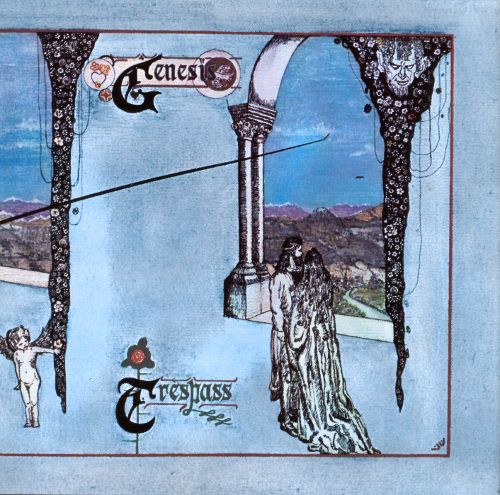
I Genesis lo raccontano così:
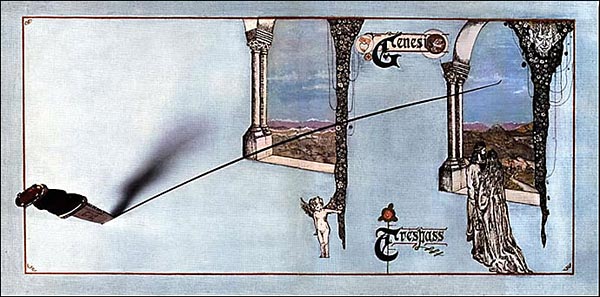
Ascolta l’album:
Angolo del Collezionista: Trespass da collezione e import – CLICCA E GUARDA
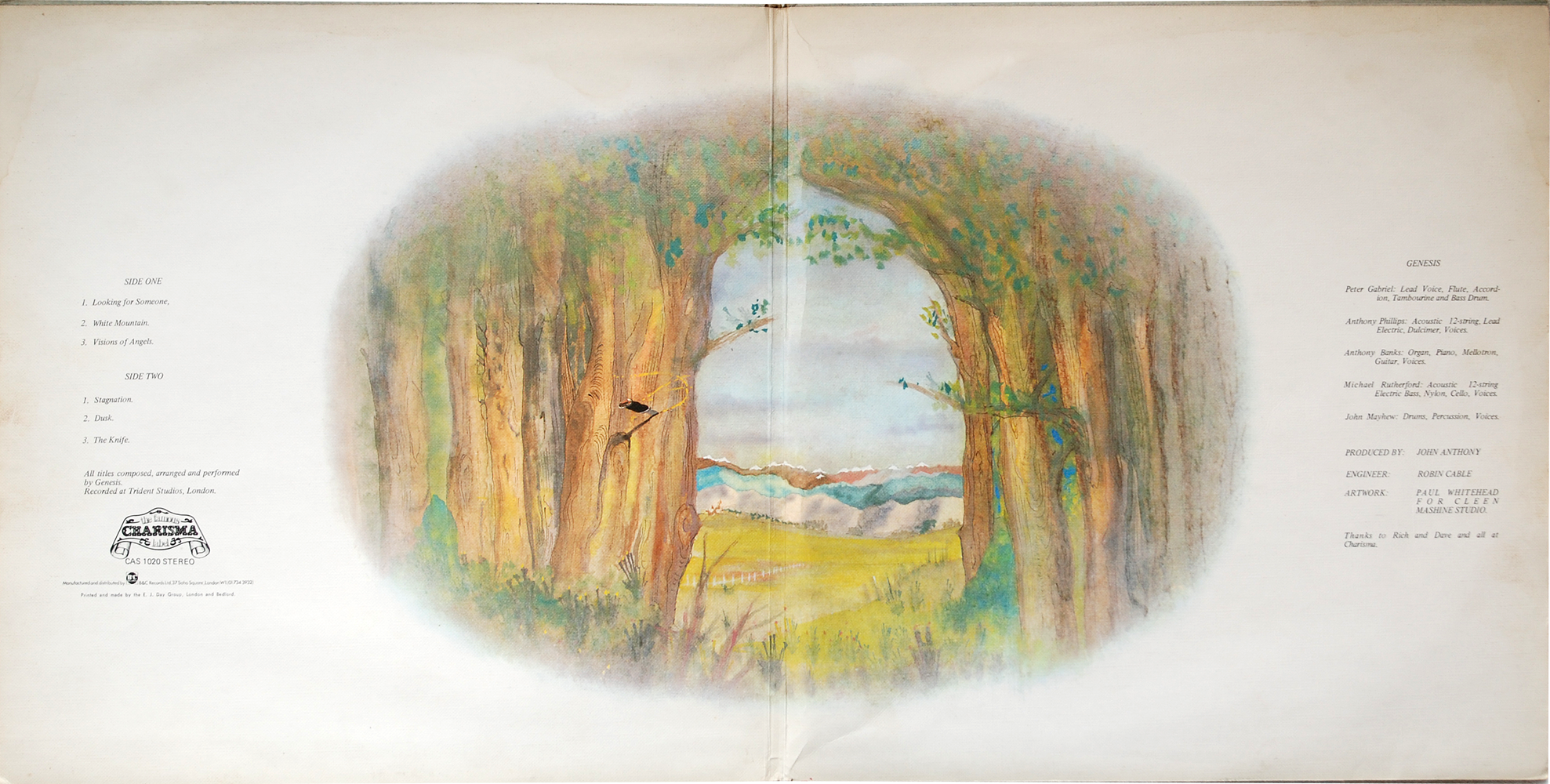
Trespass live:
Trespass reinterpretato:
Potrebbe interessarti anche:
Horizons Radio News

Il 14 ottobre 1977 usciva Seconds Out, secondo album live dei Genesis, quarta posizione nella UK Albums Chart. Riviviamolo insieme attraverso video e curiosità.
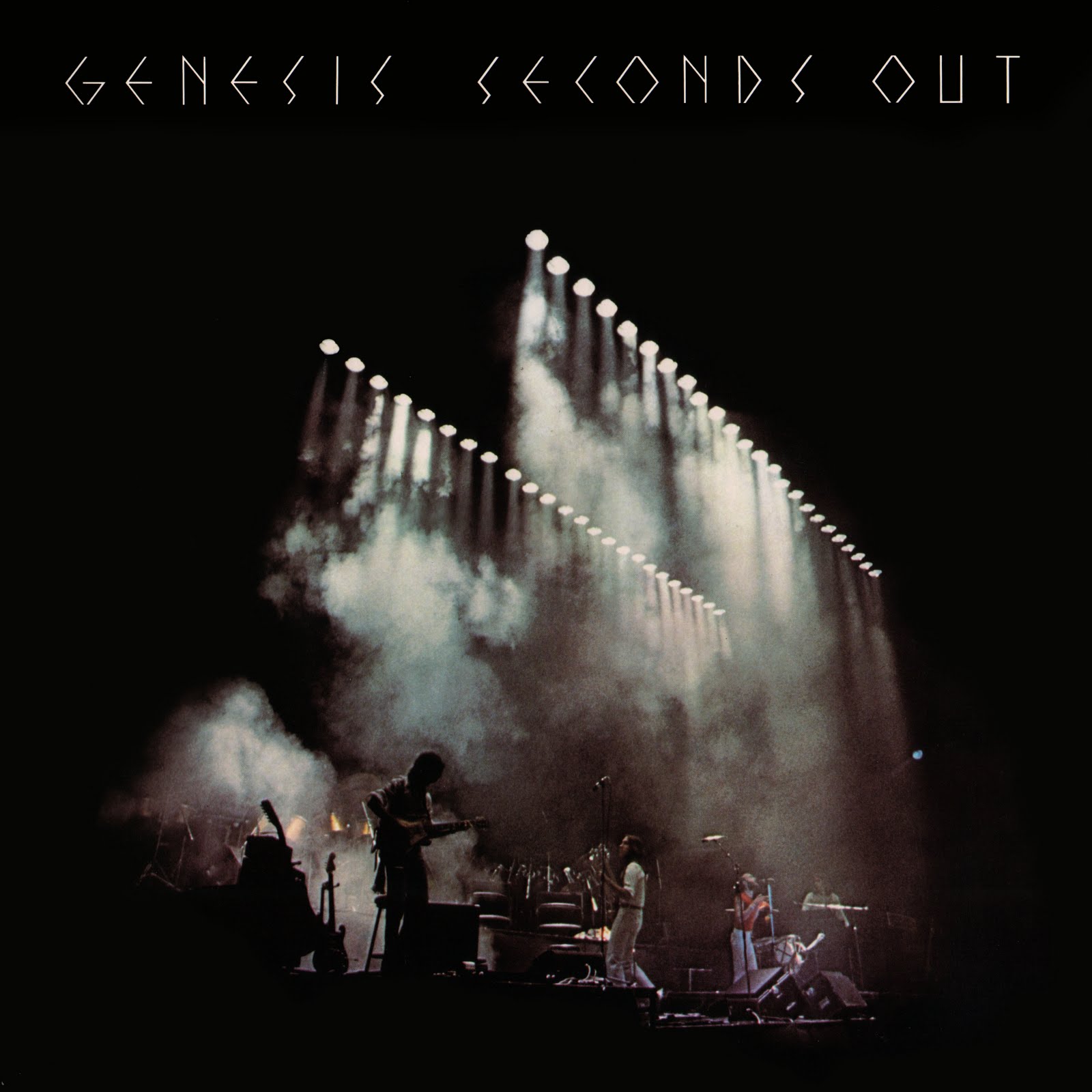
Tracce (clicca il titolo per scaricare il brano da AMAZON):
Il doppio album accoglie le registrazioni dai concerti al Palais des Sports di Parigi dall’11 al 14 giugno 1977, durante il tour europeo di Wind & Wuthering. Ecco l’audio del live del primo giorno:
Formazione:
Da Peter Gabriel arrivano lodi nei confronti dei Genesis dal vivo nella nuova formazione, soprattutto sul ruolo di Collins come frontman, ma anche per l’affiatamento alla parte ritmica, tra Collins e Bruford prima, con Thompson poi. Mario Giammetti, in Genesis. Il fiume del costante cambiamento, Editori Riuniti, riporta le sue parole:
“Andai a vederli all’Hammersmith Odeon nel tour successivo alla mia partenza. Mi sentii molto più a mio agio di quello che avrei pensato, tranne un paio di sussulti durante Supper’s Ready, dove mi sembrò come se qualcun altro stesse indossando i miei vestiti. Ora posso guardare Phil cantare senza essere più emozionalmente attaccato a una canzone.”
Seconds Out è anche l’ultimo album dei Genesis in cui suona Steve Hackett. Ha raccontato Steve ad Armando Gallo in Genesis: I Know What I Like
“Sentivo che i Genesis stavano diventando ripetitivi e sapevo che per esprime al meglio me stesso sarei dovuto uscire dal ruolo che avevo nella band. Il problema era che la sicurezza economica stava portando a un impoverimento spirituale e mi stava uccidendo suonare giorno dopo giorno gli stessi brani”.
Ricorda Mike Rutherford nella sua autobiografia The Living Years
“Mi crea qualche imbarazzo dire che non mi ero proprio accorto di quanto infelice fosse stato Steve per la maggior parte del tempo in cui fu membro del gruppo. Non eravamo propriamente gli individui più sensibili del mondo e Steve era una persona abbastanza riservata, come tutti noi del resto, ma pensavo comunque che si divertisse. (…) Nella mia personale scala Richter, la perdita di Steve non fece registrare scosse paragonabili a quelle di Ant o Pete”.
Racconta Phil Collins nella sua autobiografia No, non sono ancora morto
“In questo periodo diventa evidente anche la frustrazione di Steve. Ha pubblicato il suo album da solista, ma invece di diminuire la pressione, l’ha aumentata. Vuole avere più canzoni sue negli album dei Genesis. Quello che per me è positivo si rivela negativo per lui: la nuova configurazione dei Genesis ha inaspettatamente aperto nuove strade di composizione dei pezzi, e mentre io mi sento sempre più sicuro come autore, Steve non riceve ancora lo spazio creativo che pensa di meritarsi. (…) Ma se siamo sopravvissuti alla perdita di un cantante, siamo in grado di sopravvivere a quella di un chitarrista. Continuiamo, imperterriti, con Mike che ci dà dentro sia al basso sia alla chitarra solista”.
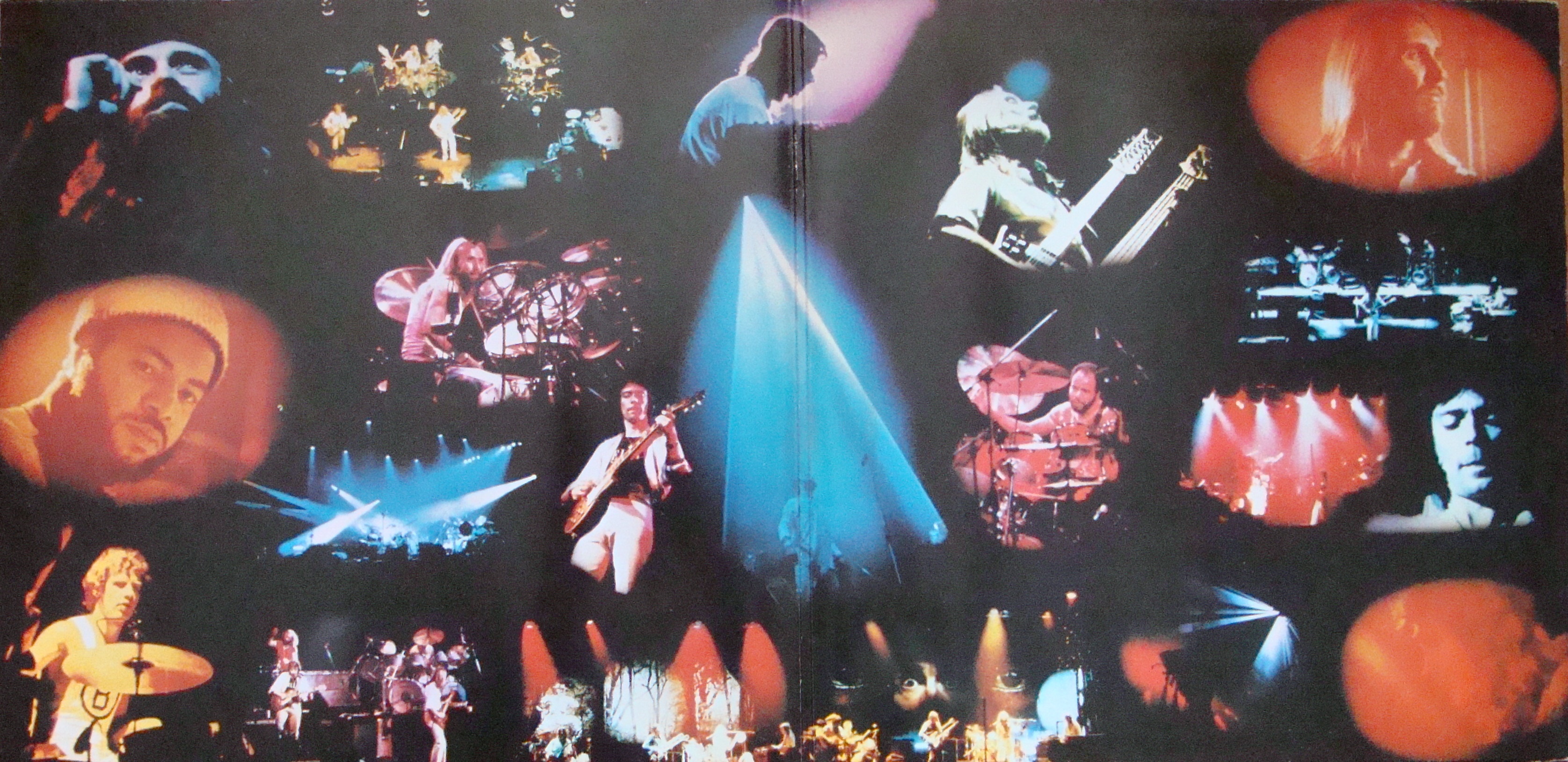
La foto di copertina dell’album e la maggior parte di quelle dell’interno sono di Armando Gallo – Guarda i suoi libri su Genesis & CO. – CLICCA QUI
Ecco il suo sito web (clicca sull’immagine per andare al sito web di Armando Gallo):
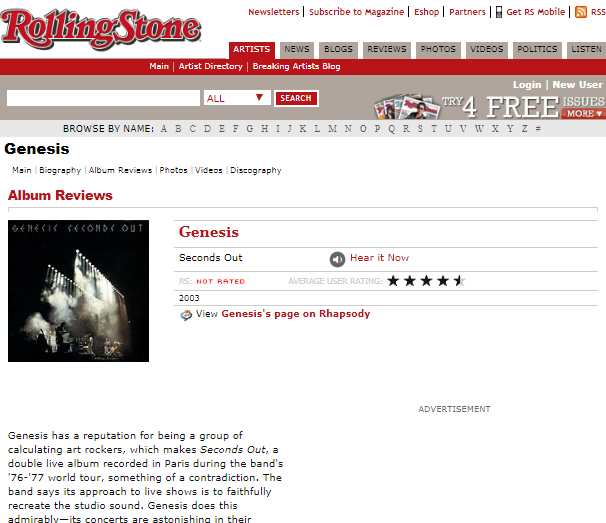
La recensione di Rolling Stone (clicca sull’immagine per leggere l’articolo):
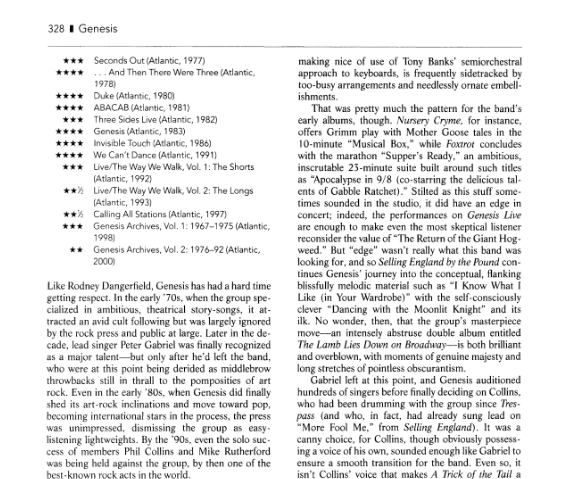
E quella di The New Rolling Stone Album Guide – COMPRALA QUI – (clicca sull’immagine per leggere l’articolo):
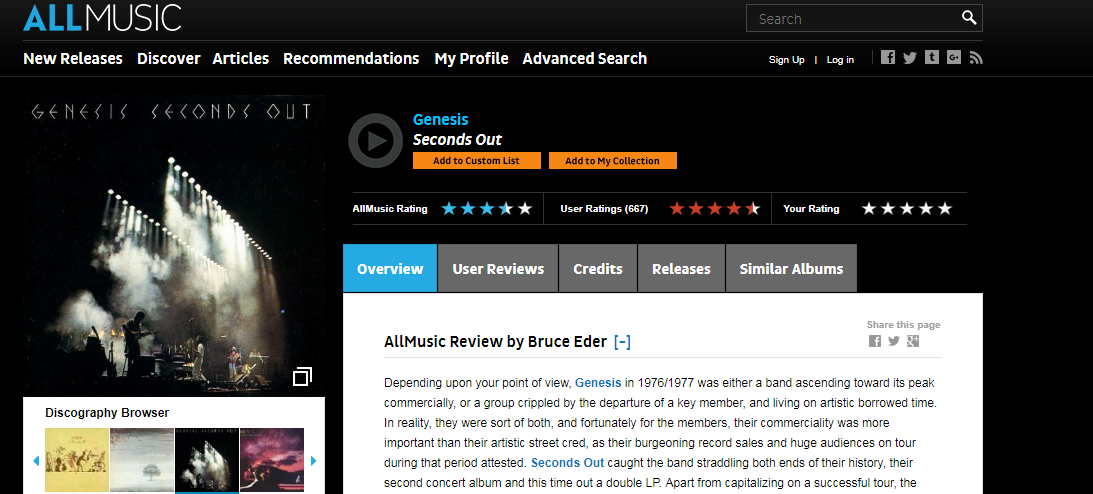
La recensione di AllMusic (clicca sull’immagine per leggere l’articolo):
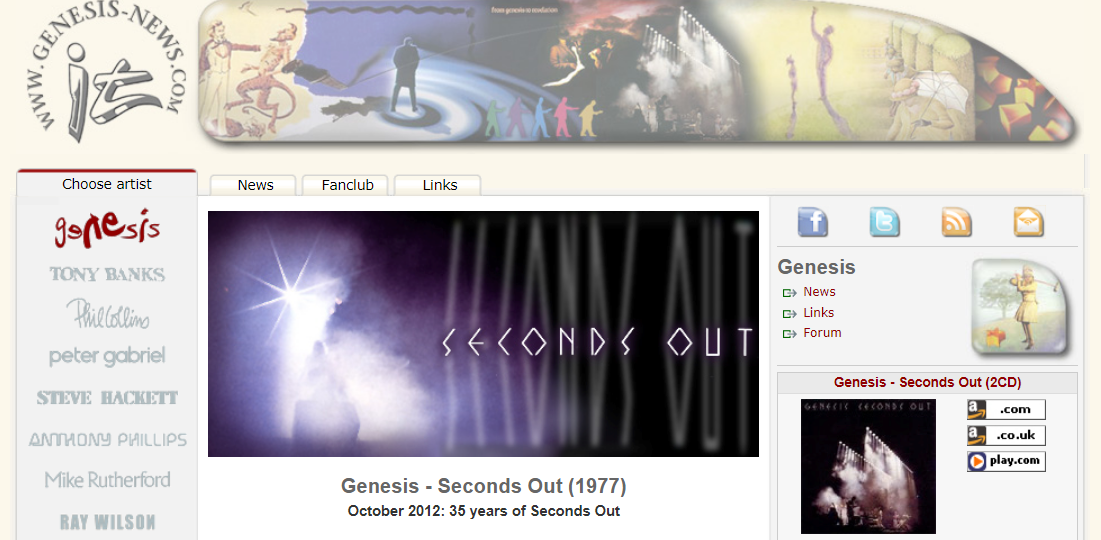
Ecco l’ottimo approfondimento tecnico di Genesis-News.com (clicca sull’immagine per leggere l’articolo):
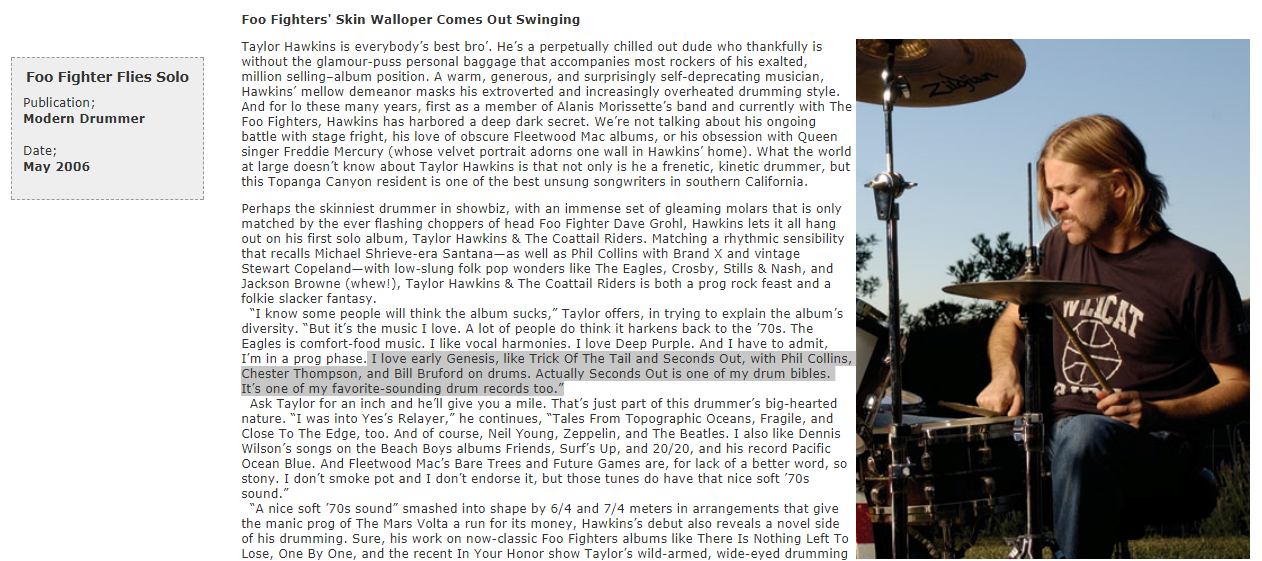
Un grande fan dell’album: Taylor Hawkins, batterista dei Foo Fighters, che lo ha definito così (clicca sull’immagine per leggere l’articolo):
Angolo del Collezionista: Seconds Out su:


Leggi anche:
‘Seconds Out’ released as a 2LP gatefold half speed remaster.
https://www.facebook.com/genesis/videos/1168776846615225/
This re-issue is the first time the album has been fully mastered for vinyl and is half speed mastered by Miles Showell at Abbey Road Studios.
This legendary live album has been pressed onto double 180 gram vinyl with gatefold sleeve and printed inner bags and comes complete with Obi-Strip and an official Half Speed Mastered certificate.

Seconds Out streaming:
Seconds Out CD Audio:
Seconds Out Limited:
Horizons Radio News
23rd September 1969 – Genesis play their first gig at Mrs Balmes Dance Party, Chobham, England.
Setlist:
Their first live gig as Genesis was at a teenager’s birthday party for Mrs Balmes for £25.
It was the start of a series of live shows in small venues across the UK included a spot at the Atomic Sunrise Festival on 11th March 1970.
Here’s the video file from the Atomic Sunrise Festival, the only time Anthony Phillips appears:
Genesis is in the third lineup of their history:
1 – from January 1967 to June 1968 – Tony Banks Mike Rutherford Peter Gabriel Anthony Phillips Chris Stewart
2 – from June 1968 to July 1969 – Tony Banks Mike Rutherford Peter Gabriel Anthony Phillips John Silver
3 – from July 1969 to 18th July 1970 – Tony Banks Mike Rutherford Peter Gabriel Anthony Phillips John Mayhew
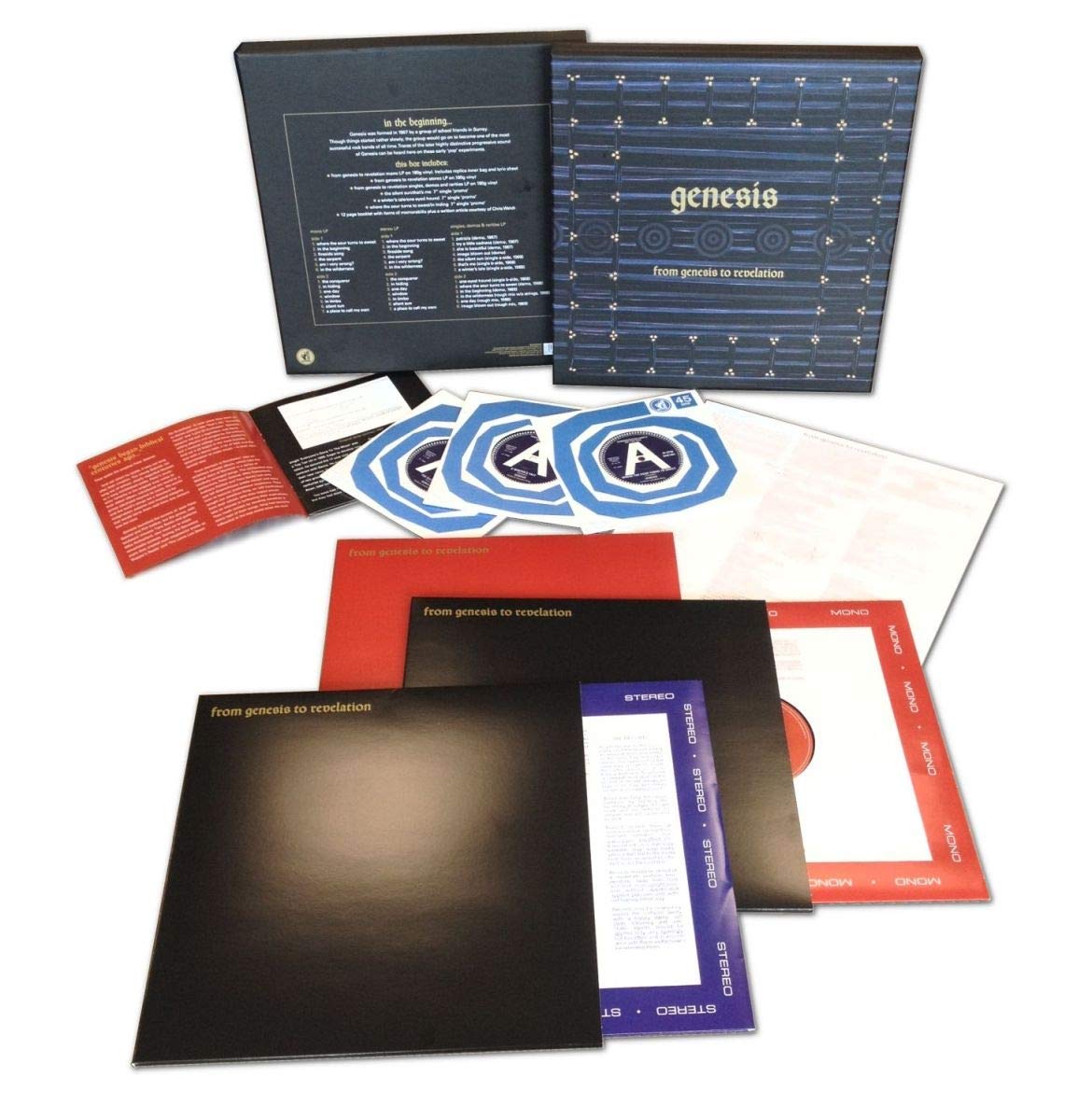
On 7th March 1969 Genesis released their 1st album: “From Genesis To Revelation” – LISTEN:
Buy now on Amazon:
Following concerts:
by D.B.
This website uses cookies. By continuing to use this site, you accept our use of cookies.